
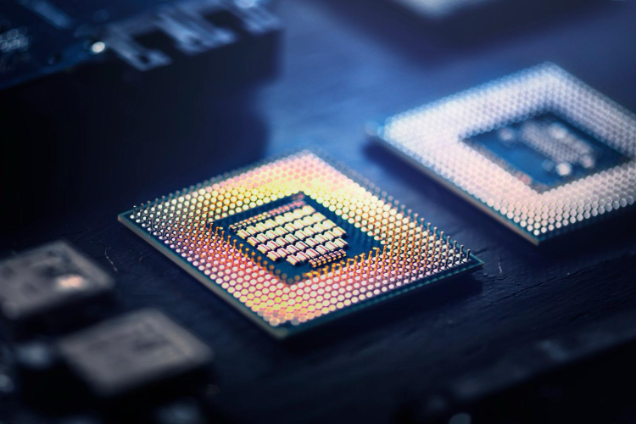
If your next phone feels more expensive than it used to, it’s not your imagination — and it’s not really about the phone itself. It’s about a memory chip shortage happening on the other side of the world, driven by the AI boom.
What’s Actually Happening
AI data centers run on massive amounts of memory — specifically DRAM chips, the same core component used in every smartphone. As companies race to build out AI infrastructure, memory chip demand has exploded. Data centers are now forecast to consume around 70% of all memory chips produced worldwide in 2026, up from just 20-30% as recently as 2022.
The result: memory chip makers are prioritizing AI customers, who pay far more per chip than smartphone manufacturers do — leaving less supply, at higher prices, for phones. Mobile DRAM prices have risen close to 70% since early 2025, and NAND flash storage prices have nearly doubled in the same window. Memory now accounts for more than 20% of the total cost to build a mid-range smartphone, up from roughly 10-15% in prior years.
Why Your Wallet Is Feeling It
Analysts expect average smartphone prices to rise significantly in 2026 as a direct result. Some research firms have described the situation as a “tsunami-like shock” spreading from the memory supply chain across the entire consumer electronics industry, with average smartphone prices projected to hit an all-time high this year.
Budget and mid-range phones are hit hardest:
- Phones under $200 face the steepest cost increases, since memory makes up a much larger share of their total build cost, leaving little room to absorb higher chip prices.
- Even flagship brands like Apple aren’t fully immune — Apple has acknowledged memory costs affected margins in 2026 and hasn’t ruled out future price adjustments.
- Some manufacturers are quietly cutting corners instead of raising sticker prices outright — for example, shipping phones with less RAM than expected to manage costs.
So What Does This Mean for You?
If new phone prices are climbing and shipments are actually expected to drop as a result, the old habit of upgrading every year or two starts to look a lot less appealing — and repairing what you already have starts to look a lot smarter.
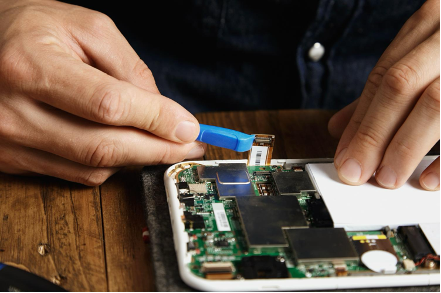
Repair now costs less than replace. A screen repair, battery replacement, or minor fix is almost always cheaper than buying new, and that gap is only getting wider as new phone prices climb.
Your current phone still has life in it. A battery replacement or screen repair can meaningfully extend how long a perfectly good phone stays useful, without paying inflated 2026 prices for a new one.
Repair also protects your trade-in value. A phone in good condition — clean screen, healthy battery, working ports — grades higher when you do eventually trade it in or sell it, so a repair now can pay for itself twice over.
The Smart Move in 2026
With new phone prices climbing and supply tightening, getting more life out of your current device is one of the most practical decisions you can make this year. Whether it’s a battery that’s not holding a charge, a cracked screen, or a phone that’s just started acting up, it’s worth getting it looked at before assuming you need to replace it entirely.
Book a repair appointment with Lite Mobile here: 👉 https://litemobile.com.sg/appointment-booking/