
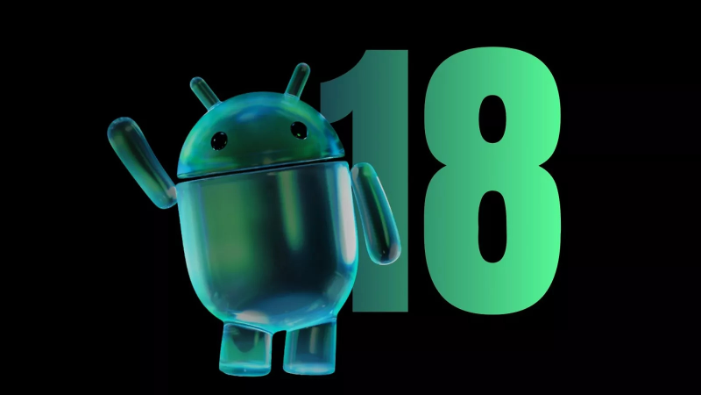
Google has given the first official hint of Android 18, and it is about how your phone could look. The tease is small, just one line on the agenda of an upcoming developer event, but it points to new graphics tools that could change how apps and your home screen are drawn. Here is what Google has actually said, what it might mean for your screen, and what we still don’t know.
What Google actually teased
The only official mention of Android 18 is in the session list for Android Dev Summit 2026. One session covers graphics in Jetpack Compose and Android 18, and promises “powerful new graphics features” for developers (Beebom).
What the session says it will cover, according to Beebom:
- Mesh gradients: smooth blends of several colors
- Progressive blurs: effects that fade from sharp to blurry
- Efficiency: keeping these visuals from hurting battery life or frame rate
Google hasn’t said how these tools will work or what users will notice (ChannelNews).
That is the full official tease. Neither report mentions any screenshots or specific design changes.
What it could mean for your home screen
Google hasn’t promised a home screen redesign, so what follows is our reading of the clues, not confirmed features.
- Richer backgrounds. Mesh gradients blend several colors smoothly. Apps and widgets could use them for softer, more colorful looks than flat color blocks.
- Frosted-glass layers. Progressive blurs fade from sharp to blurry. They could give panels, menus and widgets a layered, glassy feel.
- Smoother effects. Google’s focus on keeping these effects light on battery and frame rate suggests it wants them to run well on everyday phones, not just flagships.
One caution: these tools are announced for developers through Jetpack Compose. That means you would likely see them in apps first. Whether Google uses them for the Pixel home screen or other parts of the system hasn’t been said.
When to expect it
The next date to watch is Android Dev Summit 2026 on October 28 and 29 at Google’s Mountain View campus. Everyone can watch the opening keynote live, and sessions cover AI, Android XR, app foundations and tools (Android Authority).
Google hasn’t said it will formally unveil Android 18 there, so don’t expect a full feature list. Android also no longer ships traditional developer previews and uses Canary builds instead. Android 17 testing began in January 2026 with early Canary builds, so an Android 18 preview this month would be very early (Beebom).
Reports say Android 18 is still months away from reaching phones, with next year the likely window. That is the reporters’ inference, not a Google statement.
Which phones could get it
Google hasn’t named any supported devices yet. Based on past Android releases, Pixel phones usually receive new versions first, while other brands such as Samsung add them later through their own software updates, often months after. Treat this as a pattern, not a promise for Android 18.
If you plan to buy a phone soon, the safest move is to check how long the maker promises software updates, rather than waiting on Android 18 itself.