
Constant pings, endless scrolling and a battery that never lasts. No wonder more people are choosing to use their phones with intention.
Be honest: how many times did you pick up your phone today without a real reason? If the answer is “more than I’d like to admit”, you’re in good company. Across Singapore and around the world, a quiet shift is happening. People aren’t throwing their phones away. They’re just taking back control. This is called digital minimalism.
So, what is digital minimalism?
The idea became popular through author Cal Newport’s book Digital Minimalism. In simple terms, it means using technology only for things that truly add value to your life, and cutting back on the rest.
It does not mean:
- Giving up your smartphone
- Deleting every app
- Going offline forever
It does mean:
- Choosing which apps and habits are worth your time
- Turning off distractions you didn’t ask for
- Making room for real-life moments
Why is it trending now?
- A national survey of 1,036 people in Singapore by StarHub and YouGov (April 2026) found that 7 in 10 use screens to cope with everyday pressures, and more than 80% feel mentally drained after prolonged screen time.
- An earlier StarHub and YouGov survey found that 9 in 10 people admit to mindless scrolling.
- The same survey found that 3 in 4 digital detox attempts fail, mainly because people don’t have meaningful alternatives to replace the screen time.
- A study of global search trends on digital wellbeing and detox topics ranked Singapore third in the world.
In short: we’re tired of being always on, and we’re looking for a better balance.
Signs you may need a digital reset
- You reach for your phone first thing in the morning and last thing at night
- You open an app, forget why, and scroll anyway
- You feel anxious when your phone is out of reach
- You’re physically present, but mentally somewhere else
- Your screen time report surprises you
If two or three of these sound familiar, a few small changes could help.
8 easy ways to start (no extreme detox needed)
- Check your screen time. On iPhone, go to Settings > Screen Time. On Android, go to Settings > Digital Wellbeing. Knowing the number is the first step.
- Turn off non-essential notifications. Keep calls, messages and banking alerts. Mute the rest.
- Tidy your home screen. Keep only tools you need. Move social media and games into a folder on the second page.
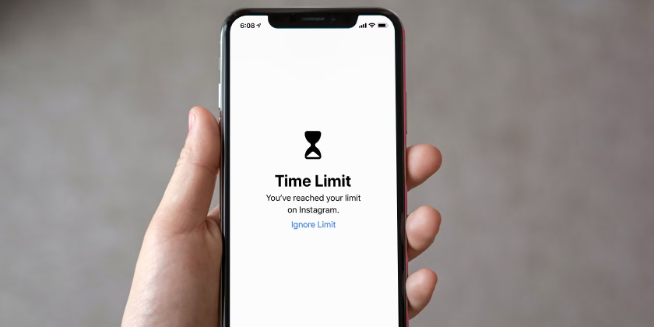
- Set app limits. Give your most-used apps a daily time limit.
- Try grayscale. A black-and-white screen is far less tempting to scroll.
- Create phone-free zones. The dining table and the bedroom are good places to start.
- Use Focus or Do Not Disturb modes. Set them for work, study and family time.
- Replace, don’t just remove. Swap scrolling time for something you enjoy: a walk, a book, cooking, a hobby or time with friends. Having a replacement makes habits stick.
Don’t forget your sleep
Phones and bedtime don’t mix well. In a Singapore project, undergraduates who followed simple tips to cut late-night phone use reduced their nightly screen time by 58 to 81 minutes, and many reported feeling more energetic during the day.
Try charging your phone outside the bedroom, or at least switching on a bedtime mode.
What about “dumb phones”?
Basic phones are getting more attention as a way to cut distractions. They can work for some people, but a full switch is a big step. If you’re not ready, try the habits above first. You can always scale up later.
Digital minimalism for the whole family
- Set shared rules, such as no phones during meals
- Lead by example. Children copy what they see
- Plan screen-free activities like board games, picnics and outdoor time